Commercial Sofa and Carpet Cleaning Services: Keeping Business Spaces Fresh
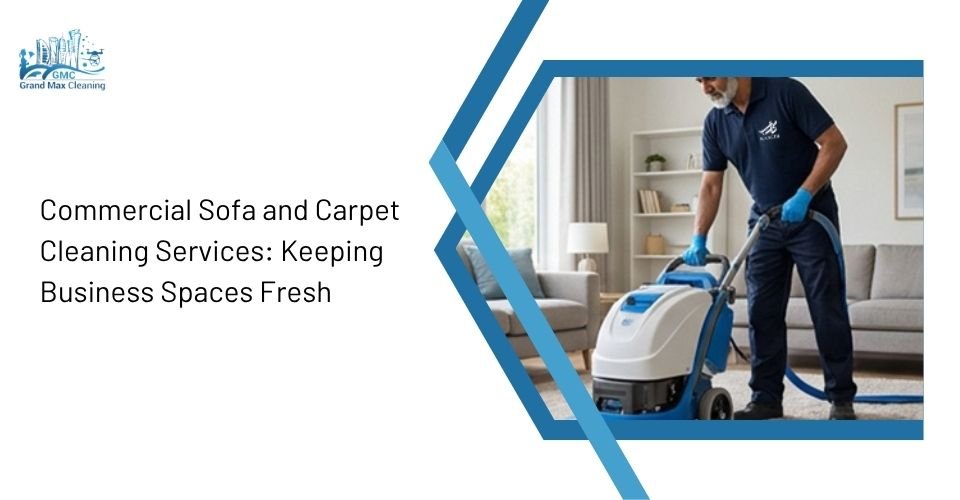
Commercial spaces experience heavy daily traffic. Employees, customers, visitors, and deliveries can quickly leave carpets, sofas, chairs, and other upholstered surfaces looking worn or dirty.
Regular professional cleaning helps businesses maintain a cleaner, more presentable environment without replacing furnishings prematurely.
For businesses looking for commercial sofa and carpet cleaning services, choosing the right cleaning approach depends on the type of workplace, furniture, carpet material, traffic level, and cleaning requirements.
Why Commercial Spaces Need Professional Cleaning
Office carpets and upholstered furniture collect more than visible dirt.
They can accumulate:
- Dust
- Food particles
- Spills
- Allergens
- Pet hair in some environments
- Dirt carried in from outside
- Odours
- General debris
Routine vacuuming and surface cleaning can remove some of this buildup, but deeper cleaning may be necessary for heavily used areas.
Common Businesses That Need Commercial Cleaning
Professional sofa and carpet cleaning can benefit many types of businesses.
These include:
- Offices
- Hotels
- Restaurants
- Retail stores
- Clinics
- Salons
- Waiting rooms
- Showrooms
- Educational facilities
- Corporate lounges
Each environment may require a different cleaning schedule.
Office Carpet Cleaning
Office carpets can receive hundreds of footsteps every day.
High-traffic areas such as entrances, corridors, reception areas, and break rooms often become dirty faster than less-used spaces.
Professional carpet cleaning can help remove embedded dirt and refresh the appearance of these areas.
Commercial Sofa and Upholstery Cleaning
Office sofas and upholstered seating are frequently overlooked.
Reception furniture, waiting-room sofas, conference-room chairs, and lounge seating can accumulate dust and stains over time.
Professional upholstery cleaning can help refresh these surfaces while addressing dirt that ordinary dusting cannot remove.
First Impressions Matter
Reception areas are often the first part of a business that visitors see.
Dirty carpets or visibly stained furniture can make the environment appear poorly maintained.
A clean reception area can create a more professional impression for:
- Customers
- Clients
- Business partners
- Job candidates
- Visitors
Clean surroundings can contribute to the overall appearance of a workplace.
Restaurants Have Different Cleaning Needs
Restaurants deal with spills, food particles, grease, and high customer turnover.
Carpets and upholstered seating may require more frequent attention than furniture in a low-traffic office.
Restaurant cleaning plans may need to account for:
- Food spills
- Drink stains
- Heavy foot traffic
- Odours
- Dining-area seating
- Entrance carpets
Cleaning should be planned around business operations to minimize disruption.
Hotel Carpet and Sofa Cleaning
Hotels have multiple areas requiring attention.
These can include:
- Hotel room carpets
- Lobby carpets
- Lounge furniture
- Conference rooms
- Hallways
- Reception seating
Because guests interact directly with these surfaces, appearance and cleanliness are particularly important.
Don’t Wait Until Carpets Look Dirty
Visible stains aren’t the only reason to clean a carpet.
Dirt can become embedded in carpet fibres before the surface looks noticeably dirty.
A regular maintenance schedule can help businesses address buildup earlier rather than waiting until carpets appear heavily soiled.
How Often Should Commercial Carpets Be Cleaned?
There isn’t one schedule that works for every business.
Cleaning frequency can depend on:
- Foot traffic
- Business type
- Carpet material
- Number of employees
- Number of visitors
- Outdoor conditions
- Existing maintenance routine
A busy commercial facility may need professional cleaning more frequently than a small office with limited traffic.
High-Traffic Areas Need Extra Attention
Some areas naturally become dirty faster.
Pay particular attention to:
- Entrances
- Reception areas
- Corridors
- Stairways
- Waiting areas
- Break rooms
- Elevator approaches
These areas may benefit from additional spot cleaning between professional deep-cleaning appointments.
Spot Cleaning vs Deep Cleaning
Both have a role in commercial maintenance.
Spot Cleaning
Used for individual spills and localized stains.
Deep Cleaning
Designed to address broader dirt and buildup across carpets or upholstery.
A good maintenance plan combines routine care with deeper professional cleaning when needed.
Different Materials Require Different Methods
Not every carpet or sofa should be cleaned using the same process.
Cleaning requirements can depend on:
- Fibre type
- Fabric construction
- Colour
- Age
- Manufacturer instructions
- Type of stain
- Furniture construction
Before cleaning, professionals should assess the material and choose an appropriate method.
Stain Removal Requires Prompt Action
Fresh spills are often easier to address than old, set-in stains.
Businesses should respond quickly when possible.
Useful steps include:
- Blot the spill rather than aggressively rubbing it.
- Remove excess liquid.
- Follow the manufacturer’s care instructions.
- Contact a professional if the stain persists.
Avoid using random household chemicals on commercial carpets or upholstery without checking whether they’re suitable.
Professional Cleaning Can Help Maintain Appearance
Regular cleaning can help commercial furnishings look better for longer.
Dirt and grit can contribute to wear when repeatedly walked into carpet fibres.
Similarly, accumulated grime can make upholstery look dull or neglected.
Professional maintenance can be part of a broader effort to protect the business’s interior investment.
Cleaning Can Support Workplace Comfort
A cleaner environment can also contribute to a more comfortable workplace.
Employees spend significant amounts of time indoors, so maintaining carpets, furniture, and shared areas is an important part of general facility upkeep.
Cleaning should complement other workplace hygiene practices rather than replace them.
Schedule Cleaning Outside Business Hours
Commercial cleaning can sometimes interfere with normal operations.
Businesses can reduce disruption by scheduling work:
- Before opening
- After closing
- During weekends
- During planned breaks
- During low-traffic periods
Discuss scheduling requirements with the cleaning provider before booking.
What to Ask a Commercial Cleaning Company
Before hiring a provider, ask:
- What cleaning method will you use?
- Is the method suitable for my carpet?
- Can you clean upholstered furniture?
- How long will surfaces take to dry?
- Do you offer recurring maintenance?
- Can you work outside business hours?
- How do you handle stains?
- What preparation is required?
- Do you provide a service estimate?
Clear answers can help businesses choose an appropriate service.
Recurring Cleaning vs One-Time Cleaning
Businesses may need either one-time or scheduled cleaning.
One-Time Cleaning
Useful for:
- Moving into a new office
- Preparing for an event
- Deep-cleaning after heavy use
- Addressing neglected carpets
- Refreshing a property
Recurring Cleaning
Useful for:
- Busy offices
- Hotels
- Restaurants
- Retail spaces
- High-traffic facilities
Recurring maintenance can make commercial cleaning easier to manage.
A Simple Commercial Cleaning Schedule
| Area | Suggested Maintenance |
| Reception | Frequent vacuuming + periodic deep cleaning |
| Office carpets | Routine vacuuming + professional cleaning |
| Sofas | Regular surface care + professional upholstery cleaning |
| Hallways | Frequent maintenance due to traffic |
| Restaurant seating | Frequent spot cleaning + scheduled deep cleaning |
| Hotel lobby | Frequent maintenance + periodic professional cleaning |
The exact frequency should be adjusted according to traffic and material requirements.
Common Commercial Cleaning Mistakes
Businesses should avoid:
- Ignoring small spills
- Waiting until carpets look extremely dirty
- Using unsuitable chemicals
- Over-wetting upholstery
- Ignoring manufacturer instructions
- Cleaning without considering drying time
- Focusing only on visible surfaces
- Skipping regular maintenance
Professional assessment can help prevent inappropriate cleaning methods.
Why Choose Grandmax?
Grandmax provides commercial cleaning solutions for businesses looking to maintain cleaner, more presentable spaces.
For companies searching for commercial sofa and carpet cleaning services, the goal isn’t simply to make carpets look clean for a day.
A practical cleaning plan should consider the material, traffic level, business schedule, and long-term maintenance needs.
Quick Commercial Cleaning Checklist
- ✓ Identify high-traffic areas
- ✓ Vacuum regularly
- ✓ Address spills promptly
- ✓ Schedule professional carpet cleaning
- ✓ Clean upholstered furniture
- ✓ Follow material-specific care instructions
- ✓ Plan cleaning around business hours
- ✓ Keep records of recurring maintenance
- ✓ Review cleaning needs as traffic changes
Final Thoughts
Commercial carpets and sofas are exposed to constant use, making regular maintenance an important part of keeping business interiors presentable.
Professional cleaning can help businesses address embedded dirt, stains, dust, and everyday buildup that routine surface cleaning may not fully remove.
Whether you’re managing an office, hotel, restaurant, retail store, or other commercial facility, a tailored cleaning schedule can help keep high-use areas looking and feeling cleaner.
If you’re considering commercial sofa and carpet cleaning services, focus on the provider’s cleaning methods, experience, scheduling flexibility, and ability to work with your specific materials.
A cleaner commercial space isn’t just about appearance, it’s about maintaining the environment your employees and customers use every day.