Hospitality Cleaning Services: Maintaining Clean, Welcoming Guest Spaces
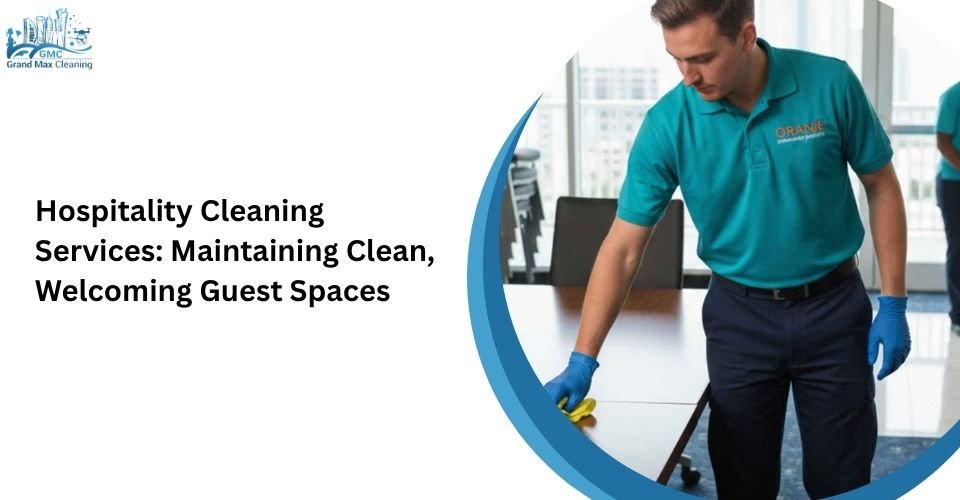
Hospitality businesses operate in an environment where cleanliness directly influences the guest experience. Hotels, serviced apartments, restaurants, cafés, event venues, and other hospitality properties need consistent cleaning standards across guest-facing and operational areas.
Hospitality cleaning services help businesses maintain these standards through structured cleaning routines, trained staff, and appropriate equipment.
For hospitality operators, the goal is not simply to make a space look clean. Cleaning should support hygiene, presentation, guest comfort, staff safety, and efficient daily operations.
Why Cleanliness Matters in Hospitality
Guests notice cleanliness quickly.
A clean environment can help create a positive first impression across:
- Hotel lobbies
- Guest rooms
- Restaurants
- Reception areas
- Corridors
- Restrooms
- Common spaces
- Event areas
Small details such as dusty surfaces, marked floors, stained upholstery, or poorly maintained restrooms can affect how guests perceive the entire property.
What Do Hospitality Cleaning Services Include?
Hospitality cleaning can cover much more than basic dusting and vacuuming.
Depending on the property, services may include:
- Guest-room cleaning
- Bathroom cleaning
- Floor cleaning
- Carpet cleaning
- Upholstery cleaning
- Window cleaning
- Common-area cleaning
- Kitchen-area cleaning
- Deep cleaning
- High-touch surface cleaning
- Post-event cleaning
The exact cleaning schedule should reflect the property’s size, occupancy, facilities, and operating hours.
Guest Rooms Require Detailed Cleaning
Guest rooms need consistent attention because visitors expect them to be comfortable and properly maintained.
Cleaning teams may focus on:
- Beds and linens
- Floors
- Furniture
- Mirrors
- Windows
- Bathrooms
- Fixtures
- Frequently touched surfaces
- Waste bins
A room should also be checked for visible maintenance issues that may need to be reported to management.
Bathrooms Need Extra Attention
Bathrooms are among the most closely inspected areas in hospitality properties.
Cleaning routines may include:
- Toilets
- Sinks
- Showers
- Taps
- Mirrors
- Floors
- Tiles
- Handles
- High-touch surfaces
Cleaning products should be selected according to the surface being treated to reduce the risk of damage.
Common Areas Shape Guest Perception
Guests spend time outside their rooms too.
Lobbies, hallways, elevators, lounges, and reception areas should remain presentable throughout the day.
High-traffic areas may require more frequent attention because they experience continuous use.
A practical cleaning plan can divide areas according to:
High traffic → frequent cleaning
Moderate traffic → scheduled cleaning
Low traffic → routine maintenance
This helps cleaning resources match actual usage.
Restaurants Need Consistent Cleaning
Food-service environments have additional cleaning requirements.
Cleaning routines may involve:
- Dining tables
- Chairs
- Floors
- Service areas
- Restrooms
- High-touch surfaces
- Back-of-house areas
Food preparation and kitchen areas should be cleaned according to applicable food-safety requirements and the property’s operating procedures.
High-Touch Surfaces Should Not Be Forgotten
Some surfaces are touched repeatedly throughout the day.
These can include:
- Door handles
- Elevator buttons
- Reception counters
- Light switches
- Handrails
- Payment areas
- Shared equipment
Including these surfaces in cleaning schedules can help maintain consistent standards throughout busy hospitality environments.
Deep Cleaning Is Different From Routine Cleaning
Routine cleaning focuses on maintaining everyday cleanliness.
Deep cleaning targets areas that may receive less frequent attention.
It may include:
- Carpet extraction
- Upholstery cleaning
- Detailed bathroom cleaning
- Floor treatment
- Hard-to-reach areas
- Behind and underneath furniture
- Detailed surface cleaning
Deep cleaning can be scheduled periodically rather than performed during every routine visit.
Carpet and Upholstery Need Specialized Care
Hotels and hospitality venues often have extensive carpeting and upholstered furniture.
These surfaces can accumulate:
- Dust
- Dirt
- Food particles
- Spills
- Foot-traffic marks
- General debris
The correct cleaning method depends on the material and manufacturer’s care requirements.
Using unsuitable products or excessive moisture can damage some surfaces.
Cleaning During Operating Hours Requires Planning
Hospitality properties rarely stop operating completely.
Cleaning therefore needs to be coordinated around guest and staff activity.
Useful scheduling strategies include:
- Cleaning high-traffic areas during quieter periods
- Cleaning guest rooms according to checkout schedules
- Completing disruptive work outside peak hours
- Coordinating with events
- Maintaining restroom cleaning schedules
- Prioritising urgent spills
Good scheduling can reduce disruption while maintaining cleanliness.
Staff Safety Is Important
Professional cleaning involves chemicals, equipment, wet floors, and repetitive physical work.
A safe cleaning programme should consider:
- Appropriate protective equipment
- Chemical handling
- Equipment training
- Wet-floor controls
- Safe storage
- Manual handling
- Clear procedures
Safety should be part of the cleaning process rather than an afterthought.
Choosing the Right Cleaning Products
Different materials require different cleaning solutions.
Cleaning teams should consider:
- Surface type
- Manufacturer instructions
- Product compatibility
- Required dilution
- Contact time
- Ventilation
- Safe storage
Using excessive chemicals does not necessarily produce better results.
Proper product selection and application are more important.
Sustainability Is Becoming More Important
Hospitality businesses are increasingly considering resource efficiency.
Cleaning programmes can support sustainability by focusing on:
- Efficient water use
- Appropriate chemical quantities
- Reusable cleaning materials
- Waste reduction
- Efficient equipment
- Responsible product selection
Sustainability initiatives should still maintain appropriate cleaning and hygiene standards.
How Technology Can Improve Cleaning Operations
Larger hospitality properties can use digital systems to organise cleaning activities.
Technology may help with:
- Cleaning schedules
- Staff assignments
- Inspection checklists
- Maintenance reporting
- Supply tracking
- Quality-control records
Digital organisation can make it easier for managers to monitor recurring tasks and identify areas requiring additional attention.
Quality Control Matters
A cleaning service should have clear quality standards.
Managers can use checklists to review:
- Guest rooms
- Bathrooms
- Public areas
- Floors
- Furniture
- High-touch surfaces
- Restrooms
Regular inspections can help identify inconsistencies before they affect the guest experience.
Common Hospitality Cleaning Mistakes
Hospitality businesses should avoid:
- Cleaning only visible areas
- Ignoring high-touch surfaces
- Using one product for every material
- Poor scheduling
- Neglecting carpets and upholstery
- Overlooking restrooms
- Skipping quality inspections
- Failing to report maintenance problems
- Overlooking staff safety
A structured approach is more reliable than cleaning reactively.
How to Choose a Hospitality Cleaning Provider
Before hiring a provider, consider:
- Hospitality experience
- Staff training
- Cleaning methods
- Equipment
- Safety procedures
- Scheduling flexibility
- Quality-control systems
- Service reliability
- Ability to handle deep cleaning
- Communication with management
The provider should be able to adapt its service to the property’s operational requirements.
Why Choose Grandmax?
Grandmax provides professional cleaning solutions for businesses that need reliable and consistent property maintenance.
For hospitality businesses, the focus should be on maintaining guest-facing spaces while supporting efficient day-to-day operations. A structured cleaning programme can help address routine cleaning, high-traffic areas, deep-cleaning requirements, carpets, upholstery, and other important surfaces.
Hospitality Cleaning Checklist
A practical cleaning programme should cover:
- Guest rooms
- Bathrooms
- Reception areas
- Corridors
- Elevators
- Restaurants and dining areas
- High-touch surfaces
- Carpets
- Upholstery
- Windows
- Waste areas
- Periodic deep cleaning
Final Thoughts
Cleanliness is a fundamental part of hospitality operations. Guests expect accommodation, dining spaces, and shared facilities to be clean, comfortable, and well maintained.
Effective hospitality cleaning services combine routine cleaning, deep cleaning, appropriate products, trained staff, quality control, and thoughtful scheduling.
For hospitality businesses working with Grandmax, a structured cleaning programme can help maintain professional standards while reducing unnecessary disruption to guests and staff.
The most effective approach is consistent rather than reactive: identify high-use areas, establish clear schedules, inspect completed work, and adapt cleaning routines as the property’s needs change.