
Washing Carpets and Sofas: The Simple Guide to a Cleaner, Fresher Home
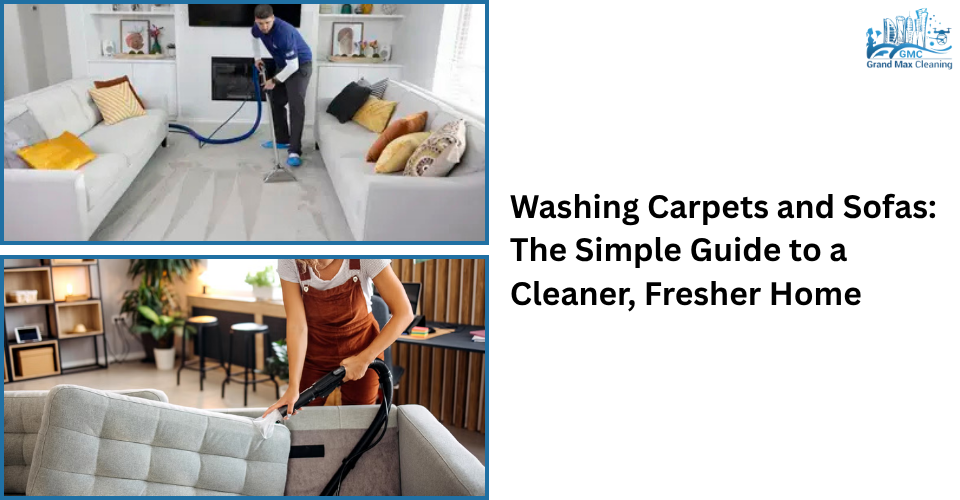
Carpets and sofas do a lot of work in your home. They handle daily foot traffic, spills, pet hair, dust, crumbs, and everything else that comes with normal living. Over time, they start to look dull, smell stale, and trap dirt deep inside the fibers. That is why washing carpets and sofas is not just about appearance. It also helps create a cleaner, healthier, and more comfortable space.
The good news is that you do not need to wait until your furniture looks badly stained before doing something about it. With the right routine, you can keep both carpets and sofas fresher for longer and reduce the need for heavy cleaning later. This guide breaks down the process in a simple, skimmable way so you know what to do, what to avoid, and how to keep your home looking its best.
Why Washing Carpets and Sofas Matters
Carpets and sofas collect more than dust. They can hold allergens, bacteria, body oils, food particles, and pet dander. Even when they look clean on the surface, dirt can still sit deep in the fabric or fibers.
Here is why regular washing makes a difference:
- It improves the look of your home
- It helps remove odors trapped in fabric
- It reduces dust and allergens
- It can extend the life of your carpet and sofa
- It makes your living space feel more comfortable and inviting
If you have children, pets, or guests coming in often, regular cleaning becomes even more important. High-use areas can build up grime quickly, especially on light-colored carpets and upholstered furniture.
Know Your Material Before You Start
Not every carpet or sofa should be washed the same way. Before cleaning, check the care label or manufacturer instructions. Some fabrics can handle water-based cleaning, while others need dry cleaning or special treatment.
Look for labels such as:
- W: safe for water-based cleaners
- S: use solvent-based cleaners only
- WS: can use water or solvent-based cleaners
- X: vacuum only, no liquid cleaning
This step matters because using the wrong product can damage the fabric, cause shrinking, or leave water marks. When in doubt, test any cleaner on a small hidden area first.
How to Wash Carpets the Right Way
Carpet cleaning can be simple if you follow a few basic steps. Whether you are handling a small area rug or a full wall-to-wall carpet, the goal is to remove dirt without soaking the fibers too much.
Step 1: Vacuum thoroughly
Start by vacuuming slowly and carefully. Go over the area more than once, especially in high-traffic spots.
Focus on:
- Corners
- Edges
- Under furniture
- Areas near entrances
- Places where pets rest or sleep
Vacuuming first removes loose dirt and prevents it from turning into mud once moisture is added.
Step 2: Treat stains early
Fresh stains are easier to remove than old ones. Blot spills right away with a clean cloth. Do not rub, because rubbing pushes the stain deeper into the carpet fibers.
For basic spot treatment:
- Blot excess liquid
- Apply a mild carpet-safe cleaner
- Work gently from the outside of the stain inward
- Use a clean cloth to lift the stain
- Repeat if needed
Avoid using too much water. Over-wetting can lead to mold, mildew, or a long drying time.
Step 3: Wash with the right method
You can clean carpets using a spray cleaner, foam cleaner, or carpet shampoo, depending on the material and level of dirt. For deeper cleaning, a carpet cleaning machine may be a better choice.
Keep these tips in mind:
- Use a carpet-safe product
- Work in small sections
- Do not oversaturate the carpet
- Rinse if the product instructions require it
- Allow enough time for drying
If you use a machine, move slowly so the cleaner can lift dirt properly. Rushing usually leaves moisture behind.
Step 4: Let it dry fully
Drying is one of the most important parts of carpet washing. A damp carpet can trap odor and attract more dirt.
To help it dry faster:
- Open windows
- Turn on fans
- Use air conditioning if needed
- Avoid walking on the carpet until dry
- Keep furniture off the area until moisture is gone
If the carpet still feels damp after a few hours, check whether more ventilation is needed.
How to Wash Sofas Safely
Sofas need careful cleaning because they are made from different materials and often have cushions, seams, and padding that can trap moisture. A gentle, methodical approach works best.
Step 1: Remove loose dirt and debris
Before washing, vacuum the sofa thoroughly. Use the upholstery attachment if possible.
Pay attention to:
- Seat cushions
- Back cushions
- Armrests
- Creases and seams
- Under cushions
You may be surprised how much dust, crumbs, and pet hair collect in these spots.
Step 2: Check for removable covers
Some sofas have removable cushion covers or slipcovers that can be washed separately. If yours does, follow the care instructions carefully.
Before machine washing:
- Zip covers closed
- Use mild detergent
- Wash on the recommended setting
- Avoid harsh heat when drying
- Make sure covers are fully dry before replacing them
For non-removable upholstery, use a fabric-safe cleaner instead of soaking the material.
Step 3: Spot clean stains
For stains on upholstery, use a soft cloth and a small amount of cleaner. Always blot instead of scrubbing.
Good spot-cleaning habits include:
- Testing the product first
- Using gentle pressure
- Working slowly
- Avoiding excess moisture
- Drying the area with a clean towel afterward
Different stains need different approaches. Food, drink, ink, and grease may each require a slightly different treatment.
Step 4: Freshen the fabric
Once the sofa is clean, you can help it smell fresher by letting air move through the room. Good ventilation helps remove lingering odors and moisture.
You can also:
- Sprinkle a small amount of baking soda on fabric-safe upholstery
- Leave it for a short period
- Vacuum it up thoroughly
- Use a fabric refresher that is safe for upholstery
Never use strong perfumes to cover bad odors. It is better to remove the cause of the smell than mask it.
Common Mistakes to Avoid
Many carpet and sofa cleaning problems come from rushing the process. A few small mistakes can lead to bigger issues later.
Avoid these common errors:
- Using too much water
- Scrubbing stains aggressively
- Skipping the vacuuming step
- Using the wrong cleaner for the fabric
- Forgetting to test products first
- Leaving fabric damp for too long
- Ignoring the care label
If you clean carefully, you protect the material and get better results.
How Often Should You Clean Them?
The right cleaning schedule depends on how much use your home gets. A busy household will need more frequent care than a quiet one.
A simple guide:
- Vacuum carpets and sofas weekly
- Spot clean spills as soon as they happen
- Deep clean carpets every 6 to 12 months
- Clean sofas every 6 to 12 months, or sooner if needed
Homes with pets, children, or allergy concerns may need more frequent cleaning. If a carpet or sofa starts to smell, look dull, or feel sticky, it is probably time for a deeper wash.
Simple Maintenance Tips Between Washes
You do not have to wait for a full deep clean to keep things fresh. A few small habits can make a big difference.
Try these:
- Remove shoes before walking on carpets
- Use throws or covers on high-use sofa areas
- Vacuum regularly
- Clean spills immediately
- Rotate cushions to reduce uneven wear
- Keep food and drinks away from soft furniture when possible
These habits help reduce buildup and keep your home cleaner for longer.
Final Thoughts
Washing carpets and sofas is one of the easiest ways to improve the look and feel of your home. With a little routine care, you can remove dirt, reduce odors, and protect your furniture from early wear.
- Location: Doha, Al Murqab, Qatar
- Email: sales@grandmax.qa
- Phone: +974 6690 2077 / +974 3348 4028
The main thing to remember is to clean gently, follow fabric instructions, and let everything dry properly. Once you build the habit, the job becomes much easier. A clean carpet and a fresh sofa can instantly make a room feel brighter, healthier, and more comfortable.